

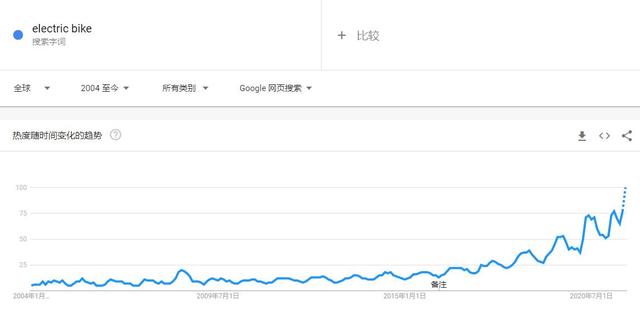
According to data from the market consulting firm NPD Group, in March 2020, compared with the same period in 2019, the sales of commuter and exercise bikes increased by 66%, the sales of recreational bikes increased by 121%, and the sales of children's bicycles increased by 59%. Sales of electric bicycles increased by 85%.
In March 2020, the new crown pneumonia epidemic broke out on a global scale, and the number of people in the epidemic increased sharply. Countries and regions called for social distancing, encouraging cycling or walking, and public transportation was drastically reduced. In addition, people also use bicycles to relax and exercise, and these have stimulated the demand for bicycle-type products.
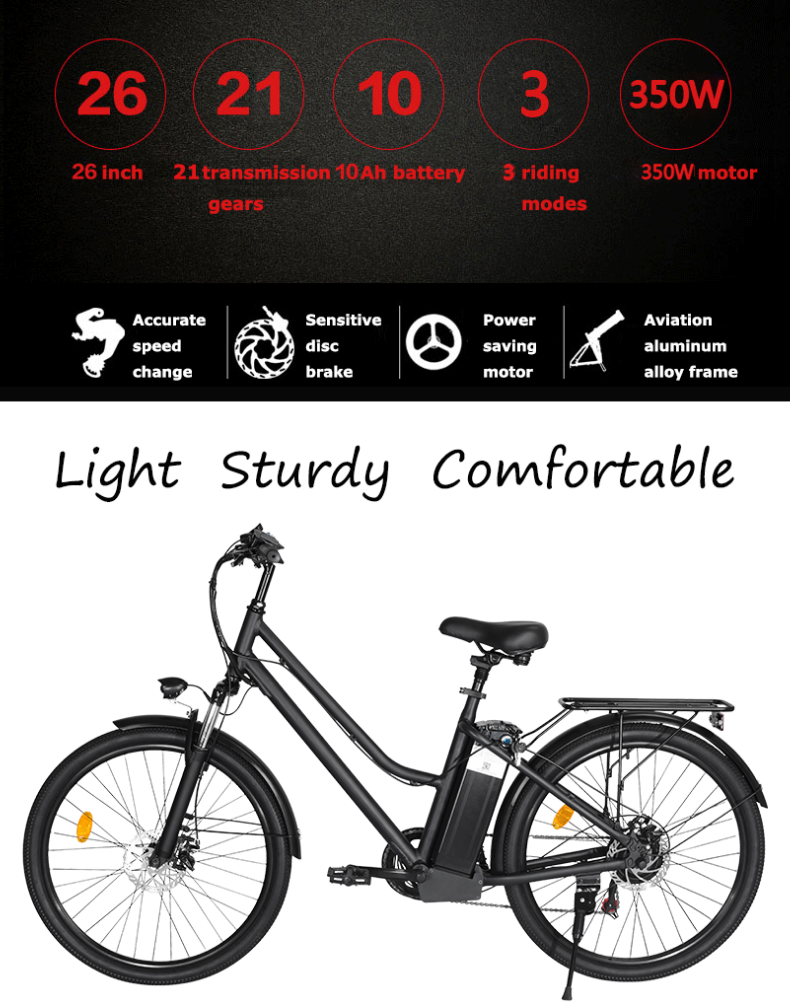
Many cities in France provide subsidies of up to 500 euros for residents who purchase electric bicycles. At the same time, the French government recently announced a funding plan totaling 20 million euros. Enterprises will also receive government funding for commuting by bicycles (including bicycles and power-assisted bicycles). Employees provide a transportation subsidy of 400 Euros per person; and the French government has also invested heavily in expanding bicycle lanes, preparing to build the widest bicycle lane in Europe;
In the second phase of the Italian Resumption of Work Act that came into effect on May 4, 2020, the government will provide citizens with a subsidy of up to 500 euros for the purchase of bicycles and scooters.
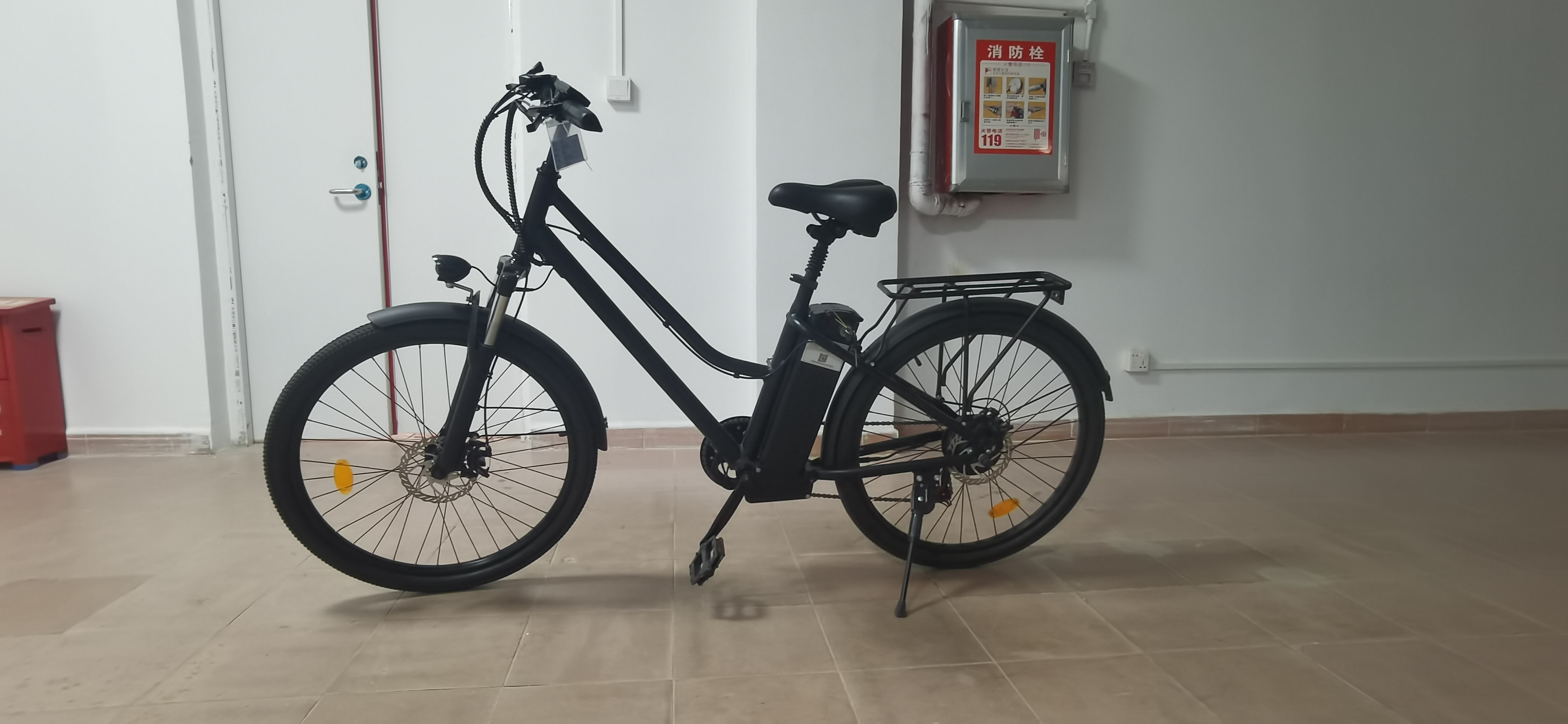
Commuters on electric-assisted bicycles in Belgium can receive a tax-free compensation of up to € 0.24 per kilometer; at the same time, traffic rules have been changed to facilitate electric-assisted bicycle travel.
In North America, the governments of the United States and Canada also provide subsidies for people to buy bicycles.